Alexandra Palace event cleanup services in Haringey
Posted on 29/05/2026
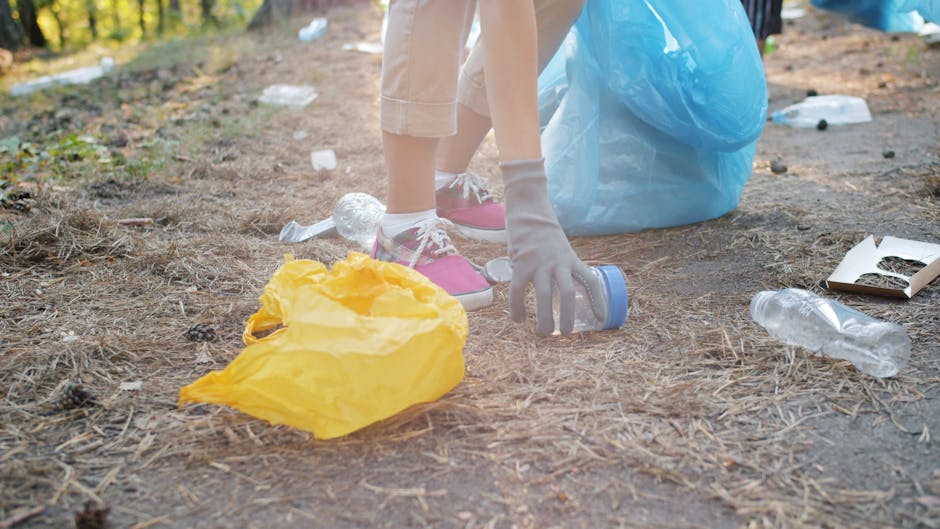
Alexandra Palace event cleanup services in Haringey: a practical guide for venues, organisers, and post-event recovery
Anyone who has helped clear up after a busy event knows the same thing: the last guests leave, the music stops, and suddenly the real work begins. Spills on the floor, bins full to bursting, confetti in odd places you didn't know confetti could reach, and a venue that needs to look calm again by morning. That is exactly where Alexandra Palace event cleanup services in Haringey become valuable. Whether you are planning a corporate reception, private celebration, community gathering, or a packed public event, the cleanup stage can make or break the handover.
This guide explains how event cleanup works, what a solid service should include, who it is for, and what to look out for locally in Haringey. It also covers common mistakes, best practices, and the practical details people often forget until the end of the night. Truth be told, that final stretch is where good planning quietly saves you a lot of stress.
- Why it matters
- How the service works
- Key benefits
- Who needs it and when
- Step-by-step guidance
- Expert tips
- Common mistakes to avoid
- Tools, resources and recommendations
- Law, compliance and best practice
- Options and comparison
- Case study example
- Practical checklist
- Frequently asked questions
Why Alexandra Palace event cleanup services in Haringey Matters
Alexandra Palace is a landmark venue area with a steady flow of events, large and small. That means cleanup is never just about "tidying up". It is about restoring the space quickly, safely, and to a standard that protects the next booking, the venue reputation, and the people who use the space.
In a busy event setting, small messes become bigger ones very quickly. A drink spill can spread under seating. Food residue can attract pests if left overnight. Wet floors create slip risks. Reusable signage, staging, and furniture need to be removed without damage. And if the event has included catering, sound equipment, props, or temporary decor, the post-event clean can easily become more involved than expected.
For local organisers, there is also the Haringey angle. Event days can be lively, but once the crowd thins out, the venue or surrounding property still needs a professional reset. That can include waste separation, surface sanitising, bathroom refreshes, carpet spot treatment, and careful removal of leftover materials. If the event has involved guests moving through domestic-style spaces, a service like domestic cleaning in Haringey may also be relevant for lighter post-event recovery in homes or private spaces.
Expert summary: good event cleanup is not cosmetic. It reduces risk, protects floors and fixtures, shortens venue turnaround time, and helps the whole event feel professionally managed from start to finish.
How Alexandra Palace event cleanup services in Haringey Works
Event cleanup usually starts before the first broom moves. A proper service should begin with a quick briefing: what happened, what materials were used, where waste has built up, and how soon the space needs to be handed back. The better the brief, the smoother the finish. Simple as that.
Most jobs follow a pattern, although every event has its own quirks:
- Site review and scope - The team identifies high-traffic areas, waste points, surface types, and any delicate items.
- Priority removal - Large waste, broken items, cups, plates, packaging, and decor are cleared first.
- Surface cleaning - Tables, counters, touchpoints, and obvious marks are cleaned and sanitised where appropriate.
- Floor care - Sweeping, vacuuming, mopping, and targeted stain work are carried out based on the flooring.
- Washroom and refresh areas - Toilets, sinks, mirrors, and consumables are checked and reset.
- Spot treatment - Carpets, upholstery, or soft furnishings may need extra attention after drinks, food, or heavy foot traffic.
- Final inspection - The team checks that the space is ready for the next use or formal sign-off.
If the event has left behind more than basic debris, specialist cleaning may be needed. For example, fabric chairs with spill marks can benefit from upholstery cleaning in Haringey, while heavy footfall on venue flooring may call for carpet cleaning services in Haringey. In practice, many event cleanups involve a mix of quick turnaround work and deeper detailing.
Not every cleanup needs the same level of intensity. A small indoor reception may just need waste removal and surface cleaning. A larger event with food service, music, and long hire hours can need a more structured, two-stage process. One crew might handle immediate clear-down while another follows with final detailing. That's often the difference between "looks okay" and "ready for the next day".
Key Benefits and Practical Advantages
There are the obvious benefits, of course: a cleaner venue, less mess for the organiser, and fewer complaints from the venue manager. But the real value goes deeper than that.
- Faster turnaround: Professional cleanup helps get the space back into use sooner, which matters when the next booking is close behind.
- Reduced stress: Organisers can focus on guest experience, not the last pile of rubbish by the fire exit.
- Better presentation: A clean venue supports the image of the event and the venue itself.
- Damage prevention: Quick attention to spillages and debris can reduce long-term wear on carpets, fabrics, and hard floors.
- Safer environment: Clearing clutter, liquids, and loose items reduces the chance of slips, trips, and awkward little accidents nobody wants at 11:30 p.m.
- More reliable handovers: If you are working to a booking schedule, a proper cleanup makes final inspection much easier.
There is also a human benefit that people underestimate. After a long event, everyone is tired. Staff are tired, organisers are tired, and even volunteers are tired. A professional cleanup team brings momentum when the room has none. It sounds minor, but it really changes the mood of the finish.
For venues linked to nightlife or celebrations, this matters even more. If you are mapping out broader event planning around the area, the article on party hotspots in Haringey gives useful local context for the kind of busy social activity that tends to generate heavier cleanup needs.
Who This Is For and When It Makes Sense
Event cleanup services are not just for large venues. They make sense whenever the volume, timing, or type of mess exceeds what your own team can realistically handle without delay.
Common users include:
- Event organisers managing private hire spaces, brand activations, or launches
- Venue managers who need dependable turnover between bookings
- Catering teams that want a tidy handover after service ends
- Businesses hosting award nights, networking events, or seasonal gatherings
- Community groups running public or charity events
- Homeowners and hosts who have staged a special celebration and need the place restored properly
It makes sense when:
- the event finishes late and the space must be ready early the next day
- there are food and drink spills across multiple surfaces
- the venue uses carpets, upholstery, or other delicate finishes
- there are multiple bins, waste types, or bulky items to remove
- you want a documented, professional standard rather than a quick sweep-up
For people planning bigger life events around the area, it is worth looking at how cleanup fits into the wider local picture. For example, those organising around house moves may also find the guide to selling homes in Haringey useful, while buyers juggling renovation and hosting can benefit from property purchase tips for Haringey. Different situations, same principle: the cleaner and more organised the space, the easier everything else becomes.
Step-by-Step Guidance
If you are arranging a cleanup after an Alexandra Palace event, the easiest way to keep things under control is to work backwards from the handover time. That keeps everyone honest. It also stops the classic "we'll sort it later" problem, which, let's face it, is how leftover mess turns into tomorrow's headache.
1. Confirm the scope before the event ends
Ask what areas will need cleaning: main hall, entrance, toilets, breakout areas, staff rooms, stairwells, storage corners, external paths, and any catering spaces. A lot of delays come from forgetting one side room or the back corridor.
2. Separate waste as you go
Mixing general rubbish, cardboard, glass, and food waste makes the end job slower. Even a basic segregation system helps. If the event is large, label bins clearly and place them where guests and staff can actually use them.
3. Protect sensitive surfaces
Not all floors and fabrics respond the same way. Hard floors may need neutral cleaning products, while soft furnishings need gentler treatment. A quick test spot can save damage. No one enjoys explaining a stain that was "definitely not there earlier".
4. Clear top-to-bottom, then finish bottom-up
Take away loose clutter first, then clean surfaces, and only then handle floors and final touchpoints. If you clean the floor too early, someone inevitably walks crumbs back onto it. It happens.
5. Do a proper final walkthrough
Check behind doors, under tables, around bin stations, and near loading or exit points. Small bits of litter often hide in plain sight. Final inspection is where the service earns its keep.
If the event was in a home or mixed-use property, a broader handover may involve other services too. For instance, a post-party reset could pair well with house cleaning in Haringey, while office-based functions may need office cleaning in Haringey to bring the workspace back to normal.
Expert Tips for Better Results
Good cleanup is mostly about preparation and sequence. The best teams do not just clean harder; they clean smarter. Here are the details that make a noticeable difference.
- Use the right products for the surface. A shiny floor can become streaky if the product is too strong. Fabric can be marked if treated like hard flooring.
- Keep waste stations visible. Guests are more likely to use bins if they are easy to spot. If the bins are hidden behind a display, well... people will make their own decisions.
- Assign one person to check "forgotten zones". Loading areas, cloakrooms, under tables, and seating edges are easy to miss.
- Record any damage immediately. A quick photo note can prevent confusion later during the venue handover.
- Build in time for drying. If mopping, extraction, or upholstery work is needed, do not leave it until the final fifteen minutes.
- Match the team size to the job. A small crew can be perfect for a modest gathering, but not for a venue with heavy footfall and multiple rooms.
One small but useful habit: keep a spare set of rubbish bags, disposable cloths, and gloves in one clearly marked box. It sounds basic because it is basic. Yet basic is often what saves the evening.
If you are choosing a cleaner in the area, it helps to understand the broader service picture too. The services overview page can be useful for seeing how event cleanup fits alongside regular domestic, tenancy, and business cleaning support.
Common Mistakes to Avoid
A lot of event cleanup problems are predictable. The hard part is resisting the urge to ignore them until the last minute.
- Underestimating the waste volume - A hundred guests create far more waste than a handful of bin bags suggests.
- Leaving wet spills too long - Drinks, sauces, and condensation can all leave marks if not dealt with quickly.
- Using one-size-fits-all methods - Carpets, polished wood, plastic seating, and glass all need different handling.
- Skipping the final check - The space may look clean at a glance but still fail a proper handover.
- Forgetting cleaning access - If the team cannot reach storage rooms, external taps, or waste points, everything slows down.
- Choosing purely on price - Cheap can become expensive if damage, delays, or incomplete work follow.
One of the sneakiest mistakes is leaving upholstery or carpet marks "for later". Later tends to be too late. Stains settle. Smells linger. And then the job becomes deeper, slower, and more costly than it needed to be. Nobody wants that after a long night.
Tools, Resources and Recommendations
Different events need different equipment, but a capable cleanup team will usually bring a mix of practical tools and products suited to the space. The aim is not to overwhelm the venue with machinery. It is to use the right thing at the right moment.
| Cleanup need | Common method | Best for | Notes |
|---|---|---|---|
| General clear-down | Bagging, sorting, surface wipe-down | Most events | Fast, efficient, and essential before deeper cleaning |
| Hard floor refresh | Sweeping, mopping, spot treatment | Entrances, halls, kitchens | Product choice matters to avoid residue or slip risk |
| Carpet recovery | Vacuuming, stain treatment, extraction | Stairs, lounges, seated areas | Act quickly on spills for best results |
| Soft furnishing care | Spot cleaning, upholstery treatment | Chairs, sofas, benches | Test methods first if the fabric is delicate |
| Washroom reset | Sanitising, refilling consumables, polish | Toilets and refresh areas | High-touch areas should not be missed |
Practical recommendations for organisers:
- create a simple site map for the cleaning team
- mark access points for bins, mop sinks, and water supply
- decide whether waste removal is included or separate
- set a clear sign-off time with the venue manager
- keep a contact person available for last-minute questions
Local context can matter too. If guests are travelling in and out of nearby neighbourhoods, your event may form part of a wider weekend rhythm across the borough. Reading the piece on whether Haringey is right for you can help you understand the area's day-to-day feel a bit better. And if your event sits within the quieter residential side of the borough, the article on Haringey's scenic suburbs gives a useful sense of local environment and pace.
Law, Compliance, Standards, or Best Practice
Event cleanup in the UK is not usually about complex legal theory, but it does touch on safety, waste handling, and reasonable care. That means a professional approach should be careful, tidy, and aligned with standard workplace expectations.
In practical terms, the key points are:
- Health and safety awareness: Wet floors, cords, broken glass, and clutter all create avoidable hazards.
- Waste handling: Waste should be managed in a way that is sensible for the site and the type of event.
- Product suitability: Cleaning products should be used appropriately for the surface and the environment.
- Insurance and accountability: A trustworthy provider should be clear about its approach to service risk and handling issues.
- Access and safeguarding: Staff should work respectfully in public, private, or mixed-use spaces.
If you want a better sense of how a company frames safety and service standards, it is worth reviewing the health and safety policy and insurance and safety information. Those pages help build confidence, especially for larger events where the cleanup team is working around equipment, guests, or multiple stakeholders.
Best practice also includes fair communication. That means clear quoting, honest scope definition, and no surprise add-ons halfway through the job. Small thing? Not really. It is what keeps an event handover calm instead of awkward.
Options, Methods, or Comparison Table
Not every event cleanup needs the same method. Choosing the right approach depends on size, mess level, and how quickly the space must be returned.
| Approach | Best for | Strengths | Limitations |
|---|---|---|---|
| Basic clear-down | Light mess, low footfall events | Quick, cost-effective, simple | May not address stains or deeper cleaning needs |
| Standard event cleanup | Moderate guest numbers, mixed surfaces | Balanced and practical | Can need add-ons for carpets or upholstery |
| Deep post-event clean | Large events, food service, heavy use | Thorough, better for handovers | Needs more time and planning |
| Specialist recovery clean | Spills, damage, delicate finishes | Targets problem areas properly | May require more advanced equipment |
If you are unsure which option fits your situation, think about three questions: How messy is the space? How quickly do you need it back? And how sensitive are the surfaces? A small gathering in a simple hall is not the same as a fully catered evening with soft seating and carpeted zones. Obvious, yes, but it is surprising how often people blur the two.

Case Study or Real-World Example
Picture a private evening event near Alexandra Palace with around a hundred guests, a drinks reception, catering trays, and a mix of seated and standing areas. By the end of the night, there are paper napkins in corners, sticky marks near the bar, and a few scuffs on the carpet from heavy foot traffic. Nothing dramatic. Just enough to make the room look tired.
The cleanup team arrives with a clear plan. They start by removing waste and packaging, then separate glass and general rubbish. One person handles the bar area and wipes sticky surfaces before they set properly. Another focuses on high-traffic flooring, while a third checks toilets, cloakrooms, and the forgotten spaces behind temporary displays.
There is a small spill on upholstery near the seating area. That is treated before it settles deeper. A few marks on the carpet are cleaned and then checked again after a short dwell time. By the time the venue manager returns, the room is not just tidy. It is ready to be used again without that lingering "after the party" feeling.
That is the real value, honestly. Not perfection for its own sake, but a clean reset that lets everyone move on without extra stress.
Practical Checklist
Use this checklist before, during, or after your event cleanup planning. It is simple, but it keeps things grounded.
- Confirm the final handover time
- Identify all cleanup zones, including side rooms and access points
- Decide who removes waste and who supplies bags
- Check whether carpets or upholstery need special treatment
- Protect delicate floors and furniture where possible
- Set aside a contact person for the cleanup team
- Make sure cleaning products match the surfaces on site
- Plan for washroom refresh and consumable checks
- Allow time for drying, airing, or final inspection
- Complete a walkthrough before signing the space back
Quick takeaway: if you get the scope, timing, and surface care right, the cleanup becomes straightforward. If you skip those three, the rest gets messy very quickly.
Conclusion
Alexandra Palace event cleanup services in Haringey are about more than making a venue look presentable. They help protect the space, support safe handovers, and keep events running smoothly behind the scenes. Whether you are hosting a private celebration, managing a corporate function, or looking after a venue with back-to-back bookings, the right cleanup approach saves time, reduces risk, and makes the whole experience feel more professional.
The best results come from clear planning, realistic expectations, and a team that understands both the venue and the pressure of the final hour. That last part matters more than people think. When the room is busy and the clock is moving, you want calm, capable hands, not guesswork.
If you are comparing options for post-event support, it can also help to review related services such as end of tenancy cleaning in Haringey for move-out style resets or pricing and quotes to better understand how service scope is usually assessed. A little clarity upfront can save a lot of awkwardness later.
Get a free quote today and see how much you can save.
And if you are still weighing up your next step, that is fair enough. Good cleanup planning is often the quiet detail that makes everything else feel easier.


