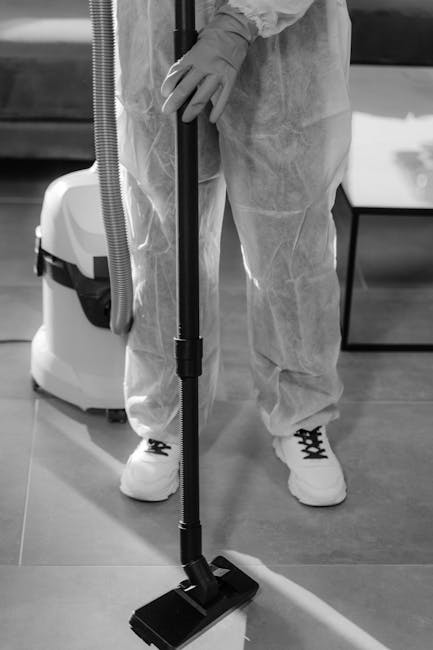
Wood Green carpet cleaning and stain removal experts
Posted on 06/06/2026
Wood Green carpet cleaning and stain removal experts: a practical guide for fresher carpets and fewer headaches
If you live or work in Wood Green, you already know how quickly a carpet can go from tidy to tired. One muddy morning, a coffee spill, a burst of winter slush, and suddenly the room feels less welcoming. That is where Wood Green carpet cleaning and stain removal experts earn their keep. Not just by making fibres look brighter, but by tackling the sort of marks that do not shift with a quick scrub and a bit of hope.
This guide explains what professional carpet cleaning and stain removal actually involves, when it makes sense, how to choose the right approach, and what to avoid if you want decent results. I'll also cover practical next steps for landlords, tenants, homeowners, and businesses who want cleaner carpets without damaging them in the process. Truth be told, carpet care is one of those jobs people leave too long. Then they notice it all at once.
For readers exploring broader cleaning support, it can also help to look at the wider services overview and the dedicated carpet cleaning in Haringey page for context on how carpet care fits into a full home or commercial clean.
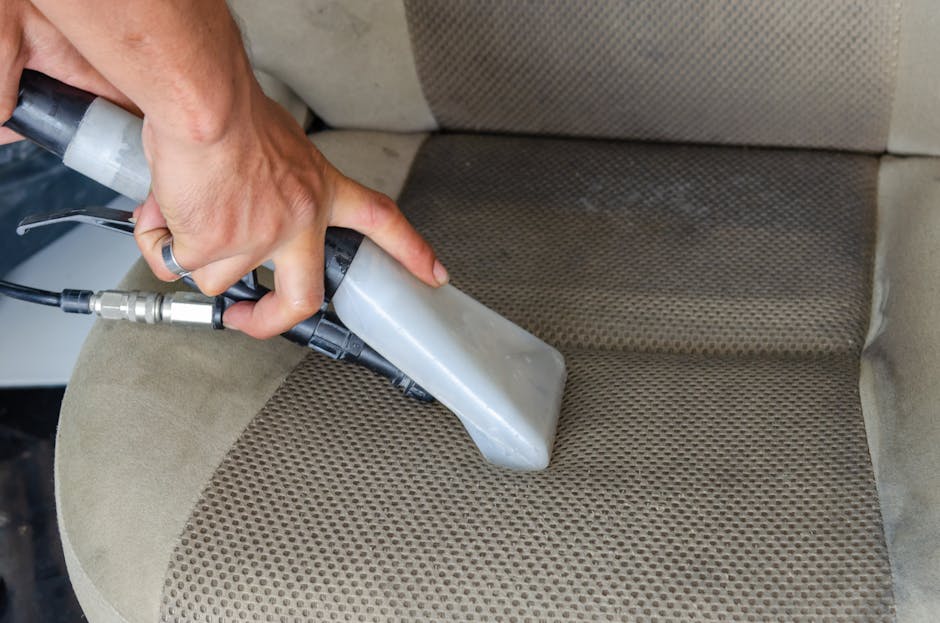
Why Wood Green carpet cleaning and stain removal experts Matters
Carpets do more than soften a room. They hold onto dust, grit, food crumbs, pet traces, accidental spills, and the general day-to-day residue that builds up in busy homes. In a place like Wood Green, where life is active and homes often see plenty of foot traffic, that buildup happens faster than many people expect. You can vacuum regularly and still end up with dull patches or stains that quietly spread.
The value of specialist carpet cleaning is partly visual, but it is also practical. Clean carpet fibres tend to last longer because embedded grit is removed before it acts like sandpaper. Stain removal is its own challenge. A mark left for too long can bond with the fibre, change colour, or react badly if treated with the wrong product. That is why expert judgement matters. Sometimes the first thing that needs cleaning is not the carpet itself, but the urge to attack a stain with whatever is under the sink.
There is also a property-value angle, especially for anyone preparing to move, rent out, or sell. If you want a home to feel well cared for, carpets do a lot of quiet work. A clean carpet makes skirting boards, furniture, and natural light look better too. It lifts the whole room. If you are thinking in terms of presentation, the article on selling homes in Haringey is a useful companion piece because it shows how small presentation details can influence first impressions.
Expert takeaway: good carpet cleaning is not just about making fibres look clean for a day. It is about removing grit, identifying the stain correctly, and using the least aggressive method that still gets the job done.
How Wood Green carpet cleaning and stain removal experts Works
Professional carpet cleaning is usually a staged process, and that's a good thing. The idea is not to blast the carpet with product and hope for the best. The process starts with identifying fibre type, pile condition, staining, and overall soil level. Wool, synthetic blends, and delicate natural fibres each behave differently, so the cleaning method should match the material. Simple enough in theory. In practice, this step prevents a lot of avoidable damage.
Most stain removal work begins with a closer inspection. A red wine mark is not the same as a greasy food spill, and a pet stain is not the same as a muddy shoe print. Different soils need different chemistry and different dwell times. Sometimes the cleaner will pre-treat the affected area before the main cleaning pass. Sometimes an old stain needs more than one stage. And occasionally, a mark has already set to the point where full removal is unlikely, although it can still often be improved significantly.
In a typical service, the cleaner may:
- Inspect the carpet and identify problem areas.
- Test a small hidden section if needed.
- Apply pre-treatment to loosen dirt and stains.
- Agitate the fibres gently to work the solution in.
- Use extraction or another suitable method to remove soil and residue.
- Target any remaining stains with specialist spot treatment.
- Rinse or neutralise where appropriate to reduce sticky residue.
- Check results and recommend drying or aftercare steps.
That final aftercare step matters more than people think. A carpet can look fine when it is still damp, then show a faint stain once dry if residue was left behind. Proper stain removal is a bit like neat painting; if the prep is poor, the finish will tell on you later.
For people comparing service types, upholstery sometimes needs similar care. The upholstery cleaning page is helpful if sofas, armchairs, or dining chairs are part of the same cleaning job. And if your carpets are being cleaned as part of a broader move-out, the end of tenancy cleaning service is worth noting because carpets are often one of the final things landlords and tenants worry about.
Key Benefits and Practical Advantages
There are some obvious benefits to professional carpet cleaning, but the practical ones are often more convincing than the cosmetic ones. Yes, a carpet can look fresher. But the real wins are usually noticed a few days later, when the room smells cleaner, the fibres feel softer underfoot, and the space no longer looks vaguely tired for no clear reason.
- Better appearance: colour looks revived, dull traffic areas improve, and marks become less obvious.
- Longer carpet life: removing grit and residue helps reduce wear.
- Improved hygiene: carpets can hold dust and debris that regular vacuuming does not fully remove.
- Odour reduction: food, spill, and pet smells often sit in the pile longer than people realise.
- Better indoor feel: rooms seem lighter, tidier, and more cared for.
- Property readiness: useful before a move, inspection, sale, or family gathering.
There is also the confidence factor. When a carpet is properly cleaned, you stop noticing the stain every time you walk into the room. That sounds small, but it is not. A stubborn mark in a hallway or lounge becomes visual background noise that quietly bugs you every day. Remove it, and the whole room feels calmer. A bit dramatic? Maybe. But it is true.
Wood Green homes often need cleaning that balances speed with care. A good service should leave carpets usable, not soaked, sticky, or over-scented. That balance is one reason people turn to specialists rather than trying random products and hoping for a miracle.
Who This Is For and When It Makes Sense
Not every carpet needs a deep clean every few weeks, and not every stain needs a professional. But there are clear situations where calling in Wood Green carpet cleaning and stain removal experts makes sense.
Homeowners
If you want a cleaner living room, hallway, stair carpet, or bedroom carpet, professional help is often the simplest route when marks are persistent. Homes with children, pets, or heavy daily use usually build up stains and dirt faster than expected. A hallway, especially, can show wear long before the rest of the property does.
Renters and landlords
Carpet condition often becomes part of end-of-tenancy stress. Tenants may want to reduce risk of deductions, while landlords want the property looking presentable for viewings. If you are in that position, a careful clean can be a sensible middle ground between a quick DIY attempt and full replacement. The local area guide for Crouch End flat cleaning also gives a decent sense of what busy London flats tend to need before handover or re-letting.
Families and pet owners
Spills happen. Juice, mud, snack crumbs, pet accidents, school shoes after rain... the usual. In family homes, stain removal is less about one dramatic incident and more about a recurring pattern. A professional clean can reset things properly, especially before guests arrive or after a busy season.
Businesses and offices
Reception carpets, meeting rooms, and open-plan office floors can look shabby quickly if traffic is high. For those settings, the broader office cleaning service may be useful alongside carpet maintenance, because the appearance of a workspace matters as soon as people step through the door.
Anyone dealing with a stain that keeps coming back
That odd yellowing patch, the grey traffic lane by the sofa, the mark that reappears after drying... these are all signs that surface cleaning was never enough. Sometimes residue has been left behind, sometimes moisture drew old soil back to the top, and sometimes the fibre itself is discoloured. A specialist can usually tell you which.
Step-by-Step Guidance
If you are planning to book a carpet clean or try a careful spot treatment first, this is the sequence that usually gives the best chance of success.
- Identify the stain type. Work out whether it is water-based, oily, protein-based, or a mixed stain. Coffee and wine behave differently from grease or pet accidents.
- Check the carpet fibre. Wool, synthetic, and blended carpets can react differently to moisture, heat, and chemicals.
- Vacuum thoroughly. Dry soil can interfere with stain treatment. Get the loose grit out first.
- Blot, don't rub. Rubbing drives the stain deeper and can rough up the pile. Blotting is slower, but better.
- Use a suitable pre-treatment. Apply the right solution sparingly. Test in a hidden spot if there is any doubt.
- Allow dwell time. Cleaning product needs a few minutes to work. Rushing this bit usually means you clean the same patch twice.
- Extract or rinse properly. Residue left behind can attract dirt and make the area look worse later.
- Dry the carpet well. Open windows where possible, use airflow, and keep traffic off damp areas if you can.
- Reassess after drying. Some stains only show their true colour once the carpet is dry. Not ideal, but normal.
If the stain is old, large, or unknown, professional treatment is usually the safer move. One mistake many people make is repeating a home remedy several times in a row. That can spread the stain, weaken the pile, or make the carpet smell worse. Not glamorous, I know. But carpets are a bit like teeth: the earlier you deal with the issue, the less dramatic the fix.
Expert Tips for Better Results
There are a few small habits that make a noticeable difference, and they are easy enough to keep in mind.
- Deal with spills fast. The first ten minutes matter more than the next ten hours.
- Always blot from the outside in. This helps keep the stain from spreading.
- Use plain water cautiously. It can help with some spills, but not all, and too much can push the stain deeper.
- Avoid over-wetting. Excess moisture can lead to long drying times and wick-back, where old soil rises again.
- Keep a mental note of the culprit. Knowing whether the stain came from wine, tea, make-up, mud, or pet mess helps decide the right treatment.
- Protect high-traffic areas. Hallways and lounge entrances usually need more frequent attention than low-use rooms.
- Rotate furniture if possible. This helps wear patterns look less obvious over time.
A practical little trick: if a stain has been treated and mostly removed, keep an eye on it for the next day or two. Some residues reappear as moisture evaporates. If that happens, don't panic. It often means the stain needs a second, more targeted pass rather than a whole new approach.
And yes, there is always one patch that behaves like it has a personality of its own.
For people balancing cleaning with day-to-day life, the domestic cleaning service can also support regular upkeep, especially when carpets are part of a broader household reset rather than a one-off rescue job.
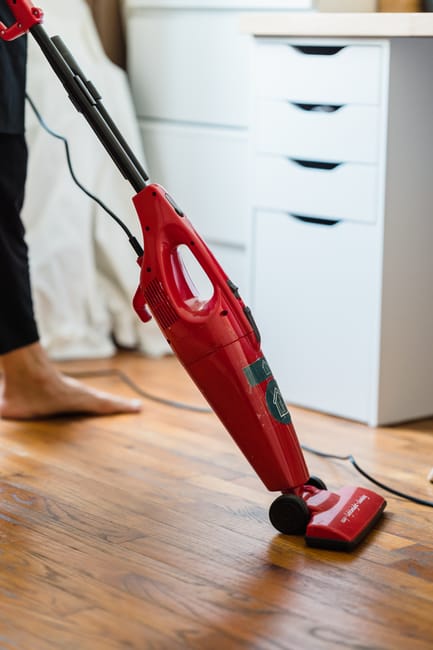
Common Mistakes to Avoid
Most carpet damage during stain removal does not come from the stain itself. It comes from the fix. Here are the missteps that cause the most trouble.
- Using bleach or harsh chemicals. These can strip colour or weaken fibres.
- Scrubbing aggressively. That usually spreads the stain and roughens the pile.
- Using too much detergent. Soap residue is sticky, and sticky carpets attract dirt quickly.
- Ignoring drying time. A carpet that stays damp for too long can smell musty.
- Trying random products one after another. Mixed chemicals can react badly and create more problems than you started with.
- Assuming all stains are removable. Some older marks can be improved but not erased completely, and honest expectations save disappointment.
The biggest mistake, if we're being blunt, is treating every stain like a simple surface issue. Some are. Many are not. That is why a proper assessment saves time and money, and often the carpet too.
Tools, Resources and Recommendations
You do not need a truckload of gear to look after a carpet well. But having the right basic tools helps. For everyday care, most people should keep a decent vacuum cleaner, a few clean microfibre cloths, plain white towels, and a gentle stain treatment suitable for the carpet type. A soft brush can help lift pile after cleaning, though it should be used lightly.
For more serious work, specialist equipment such as hot water extraction machines, targeted spotters, and pH-balanced solutions can make a clear difference. The point is not to use the strongest product available. It is to use the least aggressive method that still works. That principle sounds simple, yet it saves a lot of carpet mishaps.
If you are comparing services, it can be useful to read more about pricing and quotes so you understand how the scope of work may affect the final cost. A small area stain treatment, a whole-house carpet clean, and an end-of-tenancy clean are rarely the same job in practice.
Other pages that help with decision-making and trust include about us, insurance and safety, health and safety policy, payment and security, and terms and conditions. Those pages matter because good cleaning is not only about technique. It is also about how the service is managed, communicated, and delivered.
Law, Compliance, Standards, or Best Practice
Carpet cleaning is not a heavily regulated trade in the way some other services are, but that does not mean standards are optional. Best practice still matters a great deal. In a UK setting, reputable cleaners should work with sensible risk controls, clear communication about expectations, and appropriate care for surfaces, occupants, and property.
A few points are worth keeping in mind:
- Risk awareness: Wet floors can be slippery, cords can be trip hazards, and cleaning solutions should be handled carefully.
- Material care: Delicate carpets should not be treated with the same process as tough synthetic office flooring.
- Transparency: You should know what is included, what may cost extra, and what outcomes are realistic.
- Insurance and safety: A provider should be able to explain how they manage on-site risks and protect property.
- Data and privacy: If booking is arranged through a business, personal details should be handled sensibly and only as needed.
If a cleaner claims every stain can be removed completely, that is a red flag. Honest experts talk about likely outcomes, not magic. They will explain when a stain is removable, when it is faded, and when it may be permanent but improved. That sort of honesty is worth more than a shiny promise.
Options, Methods, or Comparison Table
Different carpets and stain types need different approaches. Here is a simple comparison that may help you think through the options.
| Method | Best for | Advantages | Limitations |
|---|---|---|---|
| Vacuuming and light spot care | Routine upkeep and fresh spills | Fast, low-cost, good for prevention | Won't remove deep-set dirt or old stains |
| DIY stain treatment | Small, known, recent marks | Convenient and quick if done carefully | Easy to over-wet or use the wrong product |
| Professional carpet cleaning | General deep cleaning and visible soiling | Better extraction, better finish, better fibre care | Costs more than DIY and may require drying time |
| Professional stain removal | Persistent, set-in, or unknown stains | Targeted treatment and higher chance of improvement | Some stains can still be permanent |
| Full carpet replacement | Severe damage or irreversible marking | Complete reset | Most expensive, most disruptive |
For many Wood Green households, the sweet spot is professional stain removal combined with a sensible maintenance routine. That gives a good balance of cost, time, and result. Replacement is sometimes needed, of course, but often it is the last step rather than the first.
Case Study or Real-World Example
Imagine a family living in a busy Wood Green flat with a pale carpet in the living room. Over time, the area near the sofa starts to look dull. There is a tea mark from one rainy afternoon, a faint patch from a dropped snack, and a traffic lane near the doorway where shoes bring in grit. Nothing dramatic on its own. Together, though, it makes the whole room feel a bit flat.
They try a supermarket spray on the tea mark. It lightens it, but a pale ring remains. Then they leave it, because life gets in the way. A few weeks later, the mark is still visible and the rest of the room seems to have age-bunched around it. That's the thing with carpets: one noticeable mark can pull the eye every time.
A careful carpet cleaning visit would usually begin with a fibre check, followed by pre-treatment of the traffic area and the stain itself. The tea mark may respond well, but the ring may need a second targeted pass. The traffic lane could improve significantly with extraction and agitation. The end result may not look brand new, but the carpet can look properly maintained again, which is often the real goal.
The useful lesson here is simple: when a stain is old or has already been treated badly, guesswork rarely helps. A steady, structured approach usually does.
Practical Checklist
Use this checklist before you book or before you attempt a DIY clean.
- Identify the stain type if you can.
- Check whether the carpet is wool, synthetic, or blended.
- Vacuum the area first.
- Test any product in a hidden spot.
- Blot gently, never scrub.
- Avoid using multiple chemicals back to back.
- Make sure the room can dry properly.
- Ask what method will be used and why.
- Clarify whether stubborn stains may need more than one treatment.
- Check whether the service fits a wider clean, such as domestic, house, or office cleaning.
Quick expert summary: the best carpet cleaning results come from matching the method to the fibre, treating the stain correctly the first time, and leaving enough time for proper drying. That is the boring answer, maybe, but it works.
Conclusion
Wood Green carpet cleaning and stain removal experts are there for more than appearances. They help protect carpet fibres, reduce lingering marks, improve the feel of a room, and make homes and workplaces easier to live with. Whether you are preparing for guests, getting a property ready for the market, managing a rental handover, or just tired of looking at that one stubborn stain, the right approach makes a real difference.
The key is to act thoughtfully. Know the stain, respect the fibre, avoid harsh shortcuts, and choose a method that fits the job rather than the other way around. That is where professional experience pays off. Not with flashy claims, but with steadier, cleaner results.
If you are comparing options and want a clearer idea of what the service could involve, take a look at the relevant service and trust pages linked above, then decide what feels right for your home or business. Clean carpets do more than tidy a room. They quietly improve the whole place. And that matters more than people often admit.
Get a free quote today and see how much you can save.